Appelez-nous à tout moment
+8613570976228


Quels sont les avantages de l'utilisation de générateurs d'hypochlorite de sodium dans le traitement de l'eau ?
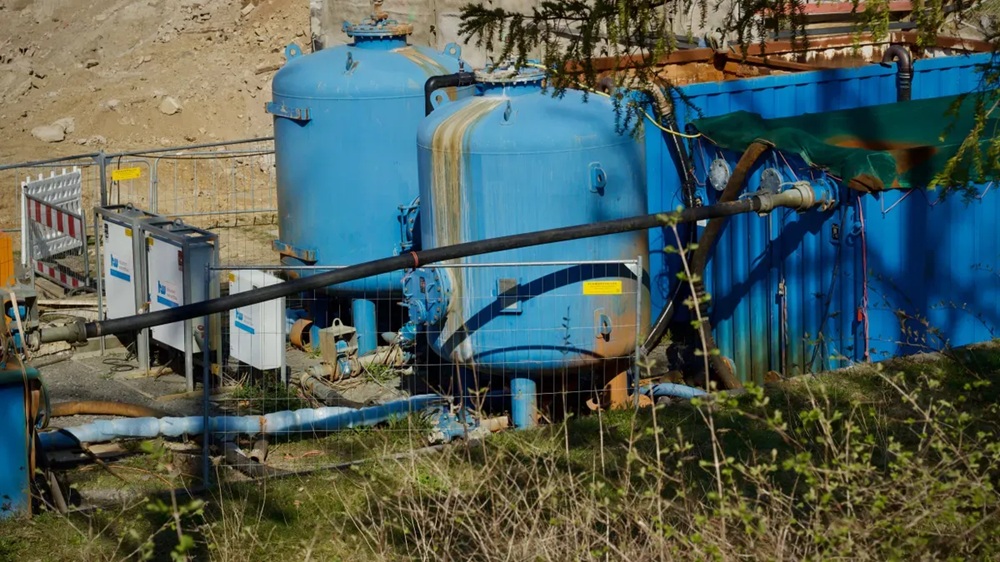
Les installations adoptent la production sur site pour la sécurité et la rentabilité. Le marché a atteint 1,2 milliard USD en 2024, porté par les préoccupations liées à la gestion des risques. Votre connaissance du traitement de l'eau, générateur d'hypochlorite de sodium par électrolyse de l'eau salée, produit un désinfectant à la demande. Cela garantit une désinfection fiable de l'eau. Connaissances en traitement de l'eau, Générateur d'hypochlorite de sodium par électrolyse de l'eau salée représente une avancée majeure en matière de désinfection sûre.
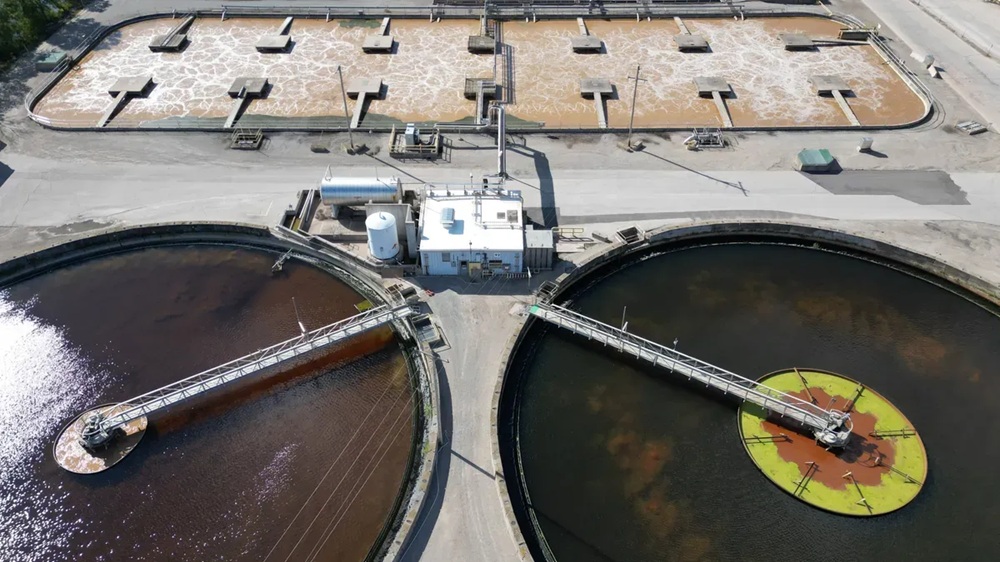
Le chlore gazeux présente des dangers graves auxquels les opérateurs de traitement de l'eau sont confrontés quotidiennement. L'OSHA fixe une limite d'exposition admissible de 1 ppm pour le chlore, mais même une exposition brève provoque une vision trouble, des sensations de brûlure et des douleurs thoraciques. Une exposition chronique entraîne une bronchite, de l'asthme et d'autres lésions pulmonaires à long terme. Une exposition aiguë à de fortes concentrations peut provoquer des lésions pulmonaires immédiates et irréversibles, voire la mort. Ces risques sanitaires exigent des protocoles de sécurité rigoureux, notamment des respirateurs avec filtres adaptés au chlore, des gants résistants aux produits chimiques et des plans d'intervention d'urgence en cas de fuite potentielle.
Les contraintes réglementaires aggravent ces dangers. La Toxic Substances Control Act oblige les installations à évaluer l'utilisation des produits chimiques et à faire des rapports à l'EPA. La norme OSHA 1926.57 impose des systèmes de ventilation adéquats avec des contrôles réguliers, tandis que les conduits d'évacuation doivent être placés près du sol car le chlore gazeux est plus dense que l'air. Le plan de gestion des risques de l'EPA dans le cadre du Clean Air Act exige une surveillance continue pour les installations stockant des produits chimiques dangereux. Ces exigences de conformité consomment du temps, des ressources et un budget.
Le stockage en vrac de l'hypochlorite de sodium introduit son propre ensemble de problèmes. Cet oxydant agressif se dégrade lorsqu'il est exposé à la lumière du soleil et à la chaleur, ce qui provoque l'évaporation du chlore et réduit son efficacité. Un stockage au-dessus de 68 °F accélère la décomposition, augmente le dégagement d'oxygène et la pression interne, avec un risque de rupture du conteneur. Le mélange avec des acides libère du chlore gazeux hautement toxique, tandis que le contact avec des matières organiques ou de l'ammoniac peut déclencher des réactions violentes. Les travailleurs sont exposés à des brûlures chimiques, des problèmes respiratoires et une contamination environnementale due aux déversements.
La production sur site élimine entièrement ces risques. Le Technologie d'électrolyse d'Esegen utilise uniquement du sel, de l'eau et de l'électricité pour produire une solution diluée d'hypochlorite de sodium à 0,8 %. Cette concentration est classée comme non dangereuse, ce qui signifie que vous évitez les exigences de gestion de la sécurité des procédés de l'OSHA, la planification de gestion des risques de l'EPA et les équipements de protection individuelle spéciaux. Le système supprime la logistique des produits chimiques dangereux : aucun stockage en vrac, aucun trafic de livraison, aucune mesure de confinement des déversements.
La rentabilité de cette approche devient évidente lorsque l'on examine les chiffres. Les systèmes de chloration traditionnels nécessitent 400 à 600 $ par an pour les pastilles, les traitements choc et les stabilisateurs. La production sur site réduit les coûts chimiques principalement au sel et aux ajusteurs de pH occasionnels. Vous éliminez les frais de transport et minimisez la responsabilité liée à la manipulation de matières dangereuses. La stabilité de la solution à 0,8 % au point d'utilisation évite les pertes de dégradation qui affectent l'eau de Javel stockée.
Votre connaissance du traitement de l'eau, générateur d'hypochlorite de sodium par électrolyse de l'eau salée, fournit une désinfection constante à l'hypochlorite de sodium sans la charge opérationnelle des systèmes au gaz. La solution diluée est moins corrosive pour les tuyaux et les pompes, réduisant les coûts de maintenance. Bien que l'investissement initial soit plus élevé — plusieurs centaines à quelques milliers de dollars pour le générateur — les économies à long terme sur l'approvisionnement en produits chimiques, la conformité et l'atténuation des risques justifient la dépense. Pour les installations de traitement de l'eau privilégiant la sécurité et la rentabilité, cette technologie transforme la désinfection d'une contrainte en une opération rationalisée. Le processus de désinfection de l'eau devient plus simple, plus sûr et plus économique, ce qui en fait le choix privilégié des opérations modernes de traitement de l'eau.
L'automatisation contrôlée par PLC transforme vos opérations quotidiennes. Les systèmes d'Esegen surveillent en continu les niveaux des réservoirs, le courant, le débit et les signaux de défaut. Cette précision garantit un dosage constant sans intervention manuelle. Vous bénéficiez d'une exploitation à distance ou semi-assistée, ce qui réduit les erreurs humaines et améliore la fiabilité. Le PLC maître coordonne les PLC locaux via des autorisations de fonctionnement, tandis que l'IHM permet de vérifier visuellement l'état du système. L'intégration SCADA permet un contrôle centralisé sur plusieurs sites. Les conditions d'alarme — débordement du réservoir de stockage, température élevée de l'électrolyte, tension incorrecte ou faible débit de saumure — arrêtent automatiquement le système afin d'éviter une production irrégulière. L'enregistrement des 200 derniers événements facilite le dépannage et maintient la qualité de votre désinfection au fil du temps.
Les économies de main-d'œuvre sont considérables. Une étude de cas a documenté une baisse des heures supplémentaires de nettoyage sanitaire de 3 400 $ par mois à 1 400 $ après l'installation d'un générateur sur site, soit une réduction de 59 %. Sur quatre ans, le total des heures de main-d'œuvre et de maintenance n'a atteint que 435,4 heures, avec un coût total de main-d'œuvre de 4 226,18 $. Cela représente environ 9,70 $ par heure de maintenance, démontrant une charge de travail minimale. Votre équipe se concentre sur les tâches essentielles de traitement de l'eau plutôt que sur la manipulation de produits chimiques.
La gamme de produits d'Esegen s'adapte aux besoins de votre installation. Le générateur de type séparé de 200 g/h convient aux petites usines d'eau potable, tandis que le modèle de 800 g/h prend en charge les piscines et les applications moyennes à grandes. Les deux produisent sur site une solution d'hypochlorite de sodium à 0,8 %, éliminant entièrement les risques liés au transport et au stockage.
| Capacité du générateur | Installation cible |
|---|---|
| 200 g/h | Petites usines d'eau potable |
| 800 g/h | Piscines et applications moyennes à grandes |
La production sur site utilisant uniquement du sel, de l'eau et de l'électricité élimine l'empreinte carbone liée au transport des produits chimiques dangereux. Vous évitez les camions de livraison, les réservoirs de stockage en vrac et les pertes de dégradation qui affectent les solutions d'eau de Javel stockées. La nature écologique de cette approche réduit considérablement les déchets chimiques. Votre connaissance du traitement de l'eau, générateur d'hypochlorite de sodium par électrolyse de l'eau salée, produit du désinfectant précisément lorsque cela est nécessaire, évitant la surproduction et le gaspillage.
Cette efficacité opérationnelle s'étend à la protection de l'environnement. Une production constante conduit à une désinfection fiable de l'eau, réduisant les risques de maladies hydriques. La solution diluée à 0,8 % reste stable au point d'utilisation, ce qui permet d'éliminer moins de produits chimiques périmés. Pour les installations de traitement de l'eau qui privilégient la durabilité, cette technologie s'aligne parfaitement sur les objectifs environnementaux modernes. Le processus de désinfection de l'eau devient plus propre, plus sûr et plus responsable. Votre connaissance du traitement de l'eau, générateur d'hypochlorite de sodium par électrolyse de l'eau salée, représente l'avenir des opérations de traitement de l'eau respectueuses de l'environnement.
La production sur site offre une sécurité inégalée, des économies, une efficacité opérationnelle et une protection de l'environnement pour la désinfection de l'eau. L'investissement initial est compensé par les économies opérationnelles à long terme et l'atténuation des risques. Les projections du secteur confirment cette tendance :
| Indicateur | Projection |
|---|---|
| TCAC (2026–2033) | 8,5 % |
| Taille prévue du marché (2033) | 2,30 milliards USD |
Évaluez vos méthodes actuelles de désinfection. L'adoption de cette technologie représente un engagement envers la sécurité et la durabilité, et pas seulement une décision financière.
Vous éliminez les coûts de transport, la dégradation pendant le stockage et la manipulation de produits chimiques dangereux. Votre système produit un désinfectant frais à la demande, garantissant une concentration constante et réduisant considérablement les dépenses d’exploitation à long terme.
Votre système Esegen nécessite un entretien minimal. Vous nettoyez périodiquement les cellules électrolytiques et vérifiez les niveaux de sel. L’automatisation PLC surveille en continu les performances et vous alerte de tout problème avant qu’il n’affecte la qualité de l’eau.
Oui. Le système Esegen desystèmes d’électrochloration de l’eau de merproduit de l’hypochlorite de sodium directement à partir de l’eau de mer, éliminant les algues et les micro-organismes dans les circuits de refroidissement. Vous prévenez l’encrassement biologique dans les tuyaux d’admission et les échangeurs de chaleur sans transporter de produits chimiques.
Droit d\'auteur @ Esegen (Guangzhou) Technology Co., Ltd Tous droits réservés.
 Supporté en réseau