Appelez-nous à tout moment
+8613570976228


Maximizing Efficiency: How MMO Titanium Anodes Extend the Lifespan of Electro Chlorination Systems
When assessing the long-term reliability and operational expenses of a sodium hypochlorite generator, plant engineers often focus heavily on the external components like PLC controls, dosing pumps, and storage tanks. However, the true engine driving the entire disinfection process is hidden inside the electrolytic cell. Upgrading to high-performance MMO titanium anodes is the single most effective way to maximize operational efficiency, reduce costly maintenance downtimes, and extend the overall lifespan of your facility's water treatment infrastructure.
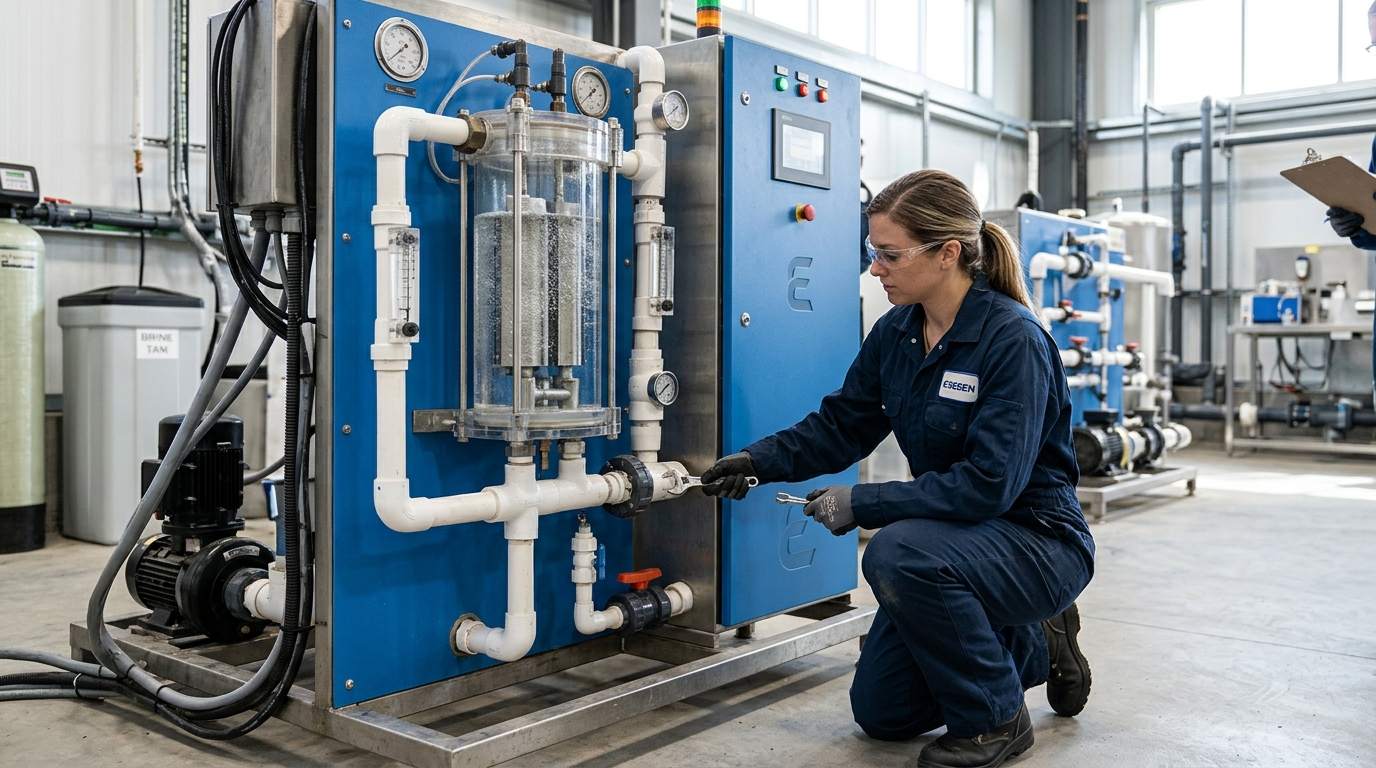
In any industrial electro chlorination system, the anode is subjected to incredibly harsh, highly oxidizing conditions. Traditional electrode materials, such as bare graphite or high-silicon cast iron, corrode rapidly under high current densities. As they erode, they release carbon or metal sludge into the water stream, widening the electrode gap and requiring frequent, costly replacements.
Dimensionally Stable Anodes (DSA) revolutionize this process through advanced materials science. They utilize a pure commercial-grade titanium substrate (typically ASTM Grade 1 or 2) that offers exceptional structural integrity and natural passivation properties. This titanium core undergoes a rigorous thermal decomposition process to be coated with noble metal oxides—usually a precise, multi-layered blend of Ruthenium Oxide ($RuO_2$) and Iridium Oxide ($IrO_2$). This highly active catalytic layer facilitates the rapid conversion of chloride ions into chlorine gas without sacrificing or dissolving the underlying titanium metal.
One of the biggest headaches for facility managers operating brine or seawater electrolysis systems is the buildup of calcium and magnesium scales. Hard water causes these minerals to precipitate onto the cathode, which eventually bridges across the gap to the anode. This scaling increases electrical resistance (a process known as passivation), forces the system to draw significantly more electrical power to maintain chlorine output, and can ultimately overheat and destroy the cell.
Premium MMO titanium anodes are engineered to mitigate this exact issue. When paired with intelligent PLC power supplies, these electrodes support frequent polarity reversal (self-cleaning cycles). The robust Iridium-enriched coating ensures the anode does not degrade when the direct current is temporarily reversed to shed accumulated scale. This smart electrochemical self-cleaning extends the interval between manual acid washings from a few weeks to several months, saving countless hours of maintenance labor.
Pro Tip for EPC Contractors: Always specify the exact source water salinity, hardness, and temperature when procuring electrodes. A Ruthenium-heavy coating is highly efficient for standard, high-chloride prepared brine, while an Iridium-heavy blend is absolutely critical for lower chloride environments or applications requiring high resistance to oxygen evolution.
Even the highest quality electrodes can fail prematurely if they are operated outside their designed parameters. Understanding how plant conditions affect your anodes will help you maximize their working life:
• Current Density: Running the system at an excessively high current density (Amps per square meter) to produce more chlorine will rapidly burn off the noble metal coating. Always operate within the manufacturer's rated capacity.
• Electrolyte Temperature: Extreme temperatures accelerate coating wear. Most standard electro chlorination cells are designed to operate optimally between 15°C and 40°C. If your feedwater is hotter (e.g., industrial cooling tower blowdown), a customized thicker coating is required.
• Fluoride and Iron Impurities: High levels of fluoride ions or iron in the source water are highly destructive to titanium substrates and MMO coatings. Proper pre-filtration and water softening are essential to protect your investment.
Understanding the performance leap from legacy materials to advanced MMO titanium is crucial for justifying CAPEX during system upgrades. The table below highlights the operational differences that directly impact your plant's bottom line:
| Performance Metric | Legacy Graphite / Basic Metal | Premium MMO Titanium Anodes |
| Dimensional Stability | Poor (Erodes and changes shape over time) | Excellent (Substrate retains exact dimensions) |
| Energy Consumption | High (High overpotential and resistance) | Very Low (Optimized catalytic efficiency) |
| Water Contamination | Releases carbon/metal sludge into water | Zero shedding (Clean, trace-free operation) |
| Expected Lifespan | 6 to 18 months (Requires frequent replacement) | 5 to 8+ years (Depending on current density) |
The efficiency of electrolysis isn't just about the chemical coating; the physical geometry of the titanium substrate plays a massive role in system design. Depending on the target flow rate and cell housing, MMO titanium anodes can be manufactured in several distinct shapes:
• Solid Plates: Ideal for smaller, high-concentration brine systems where smooth, uninterrupted flow and easy manual cleaning are prioritized.
• Tubular Anodes: Frequently used in deep-well cathodic protection and specific heavy-duty seawater chlorinators due to their structural strength against high water pressure.
• Expanded Mesh: The most popular choice for modern generators. The mesh structure significantly increases the active surface area for electrolysis while simultaneously reducing the overall weight and cost of the titanium substrate. The intricate mesh also creates a highly turbulent micro-flow that naturally scrubs hydrogen bubbles and early-stage scaling away from the electrode surface.
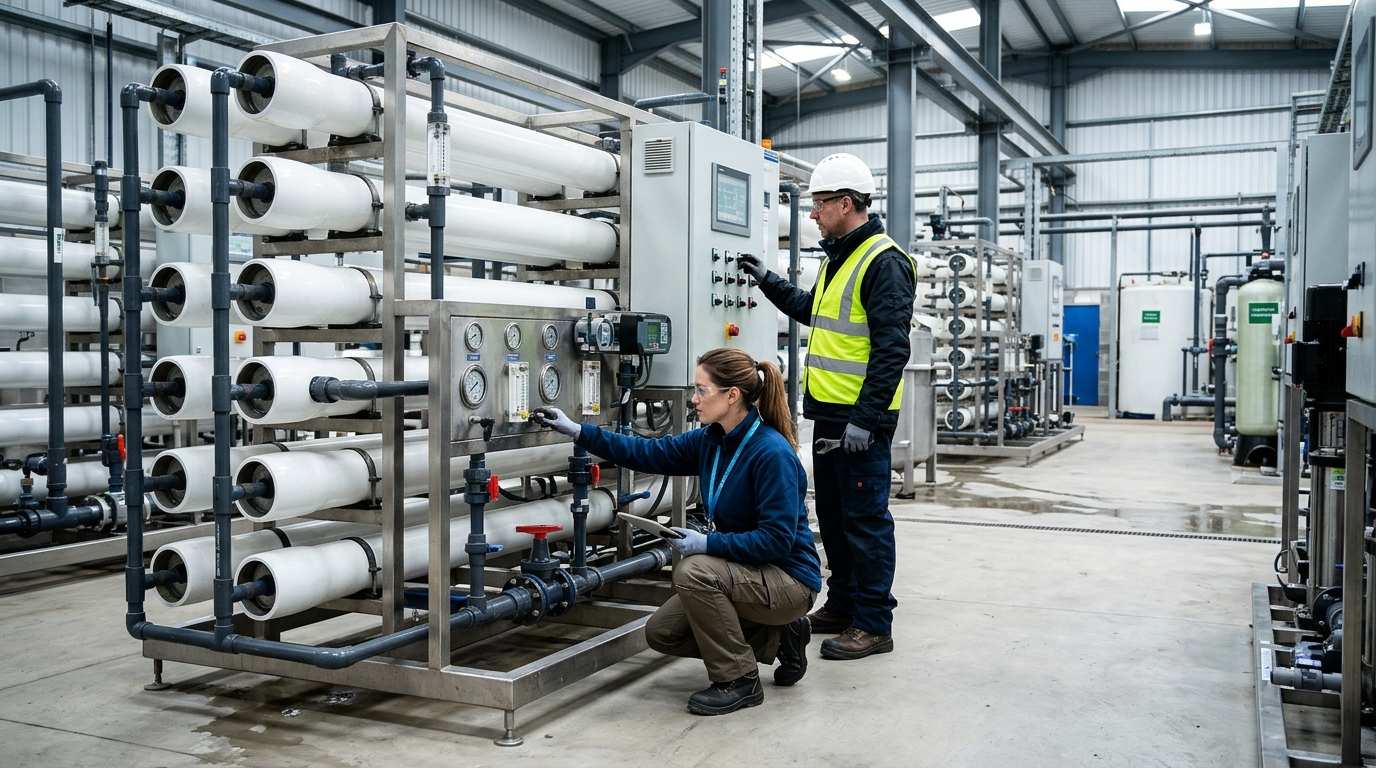
Investing in high-quality MMO titanium anodes is the most strategic decision a plant manager can make to guarantee the longevity of a water disinfection system. By dramatically lowering energy consumption, resisting chemical passivation, and providing years of dimensionally stable operation, these advanced electrodes transform a standard electro chlorination unit into a high-performance, low-maintenance industrial asset.
Q: How do I know when my MMO titanium anode needs to be replaced?
A: The most common indicator is a gradual but sustained increase in the cell voltage required to maintain your target chlorine output (assuming your brine concentration and water temperature remain constant). Once the active noble metal coating is depleted, the underlying titanium substrate will begin to passivate, causing rapid voltage spikes.
Q: Can depleted titanium anodes be recoated to save money?
A: Yes. Because MMO anodes are dimensionally stable, the pure titanium base rarely degrades during normal operation. The depleted electrodes can be removed, sent back to a specialized manufacturer, stripped of old oxides, chemically cleaned, and re-coated with a fresh Ruthenium-Iridium layer at a fraction of the cost of fabricating a completely new titanium anode.
Q: How often should I manually acid wash the electrolytic cell?
A: This depends heavily on your source water hardness and whether your system features polarity reversal. Systems with soft water and automatic reversing may only need a mild acid wash (e.g., using dilute citric or hydrochloric acid) once or twice a year. Systems running hard water without reversing may require washing every month. Always follow the manufacturer's maintenance schedule to prevent irreversible scaling.
Droit d\'auteur @ Esegen (Guangzhou) Technology Co., Ltd Tous droits réservés.
 Supporté en réseau